
Kids & Family
Toy storage children can help to use
Make tidying more approachable with a few clear groups and storage children can safely reach. Leave room for play to remain in progress.
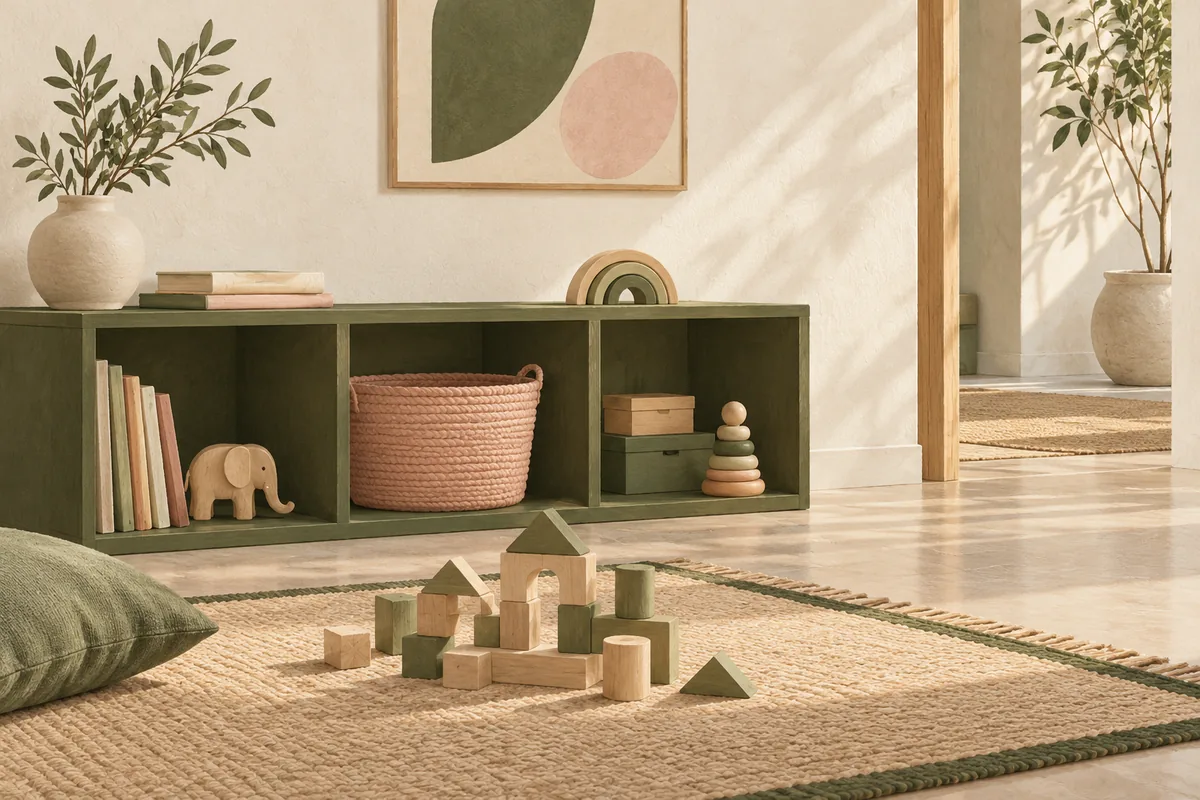
A play area has a different rhythm from the rest of the home. A construction may need to stay out, favourite books move between rooms, and a child’s interests can change quickly. Storage works better when it supports that rhythm and offers an understandable way to finish or pause play.
Observe before sorting
Notice what gets used, where play happens and which containers are difficult to open or lift. Sort with your child when that feels appropriate, starting with a small area. Keep the groups simple enough to remember: blocks, drawing things, pretend play and books may be more useful than many tiny categories.
Check toys for damage and follow age guidance. Keep small parts and unsuitable materials away from younger children, including visiting siblings and cousins. Storage is part of a safe arrangement, but it does not replace supervision or the manufacturer’s instructions.
Make the return journey easy
An open basket may be easier than a lidded box. A low shelf can help a child recognise what is available without emptying every container. Choose stable furniture and follow anchoring guidance; do not create a tempting climbing route by placing favourites high above reach.
- Match the container to what a child can safely carry.
- Use simple pictures or words that make sense to your household.
- Leave enough space for items to return without careful packing.
- Keep adult-only materials in an appropriately secure place.
If toys are shared across ages, separate the storage by access needs rather than expecting one system to suit everyone.
Create a place for unfinished play
A tray, mat or designated shelf can hold a project that needs more time. Agree a gentle review point so that the entire room does not gradually become a permanent exhibition. The purpose is to acknowledge the effort involved, while keeping shared pathways clear.
Toy rotation can be helpful if the available space feels crowded. Keep a manageable selection accessible and store the rest in a clearly identified adult-managed area. Rotate in response to interest rather than following a rigid schedule, and avoid removing a favourite simply to make the shelf look quieter.
Keep the routine small
At the end of play, offer a concrete invitation: books back on the shelf, then blocks in their basket. Adjust expectations to age, energy and the day you have had. A usable system should make cooperation easier without turning every evening into a sorting exercise.
For shared rooms and changing family routines, explore our family home organising services. A little clarity can leave more space for the important part: playing.